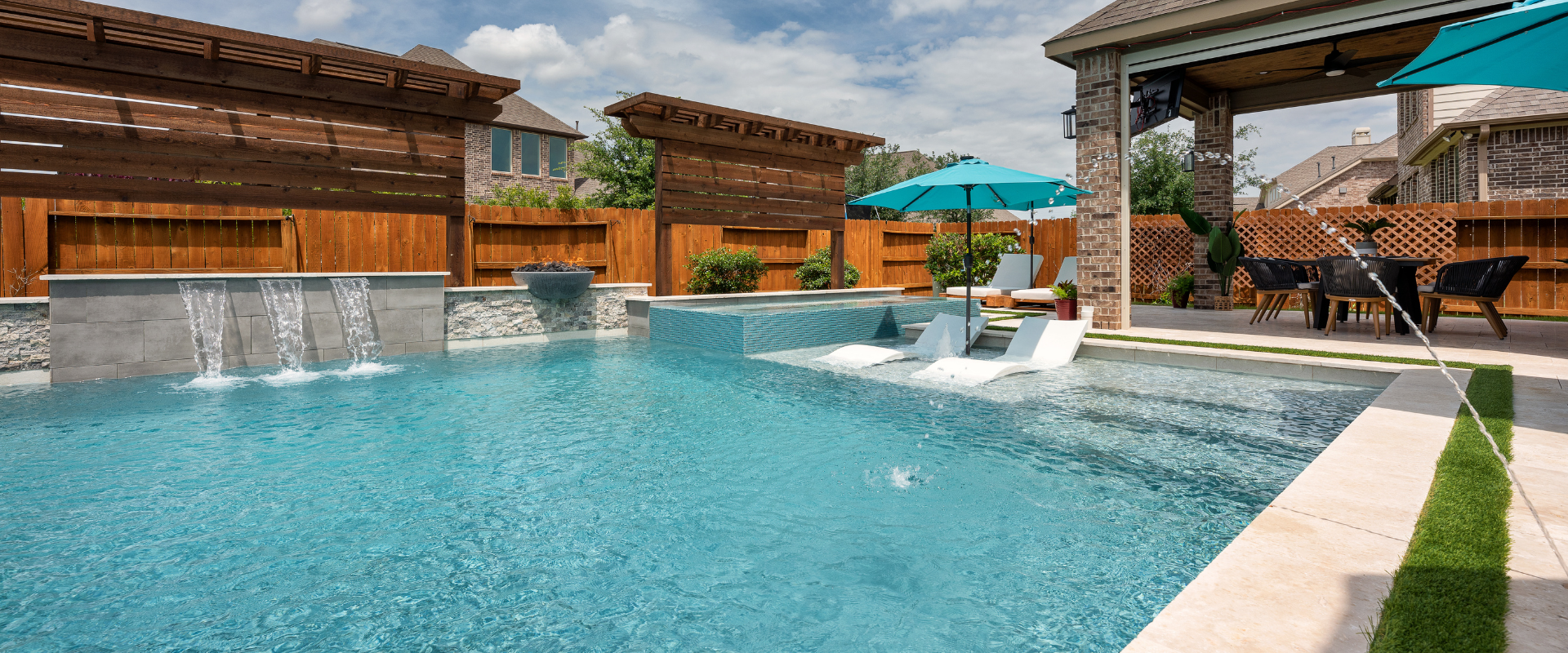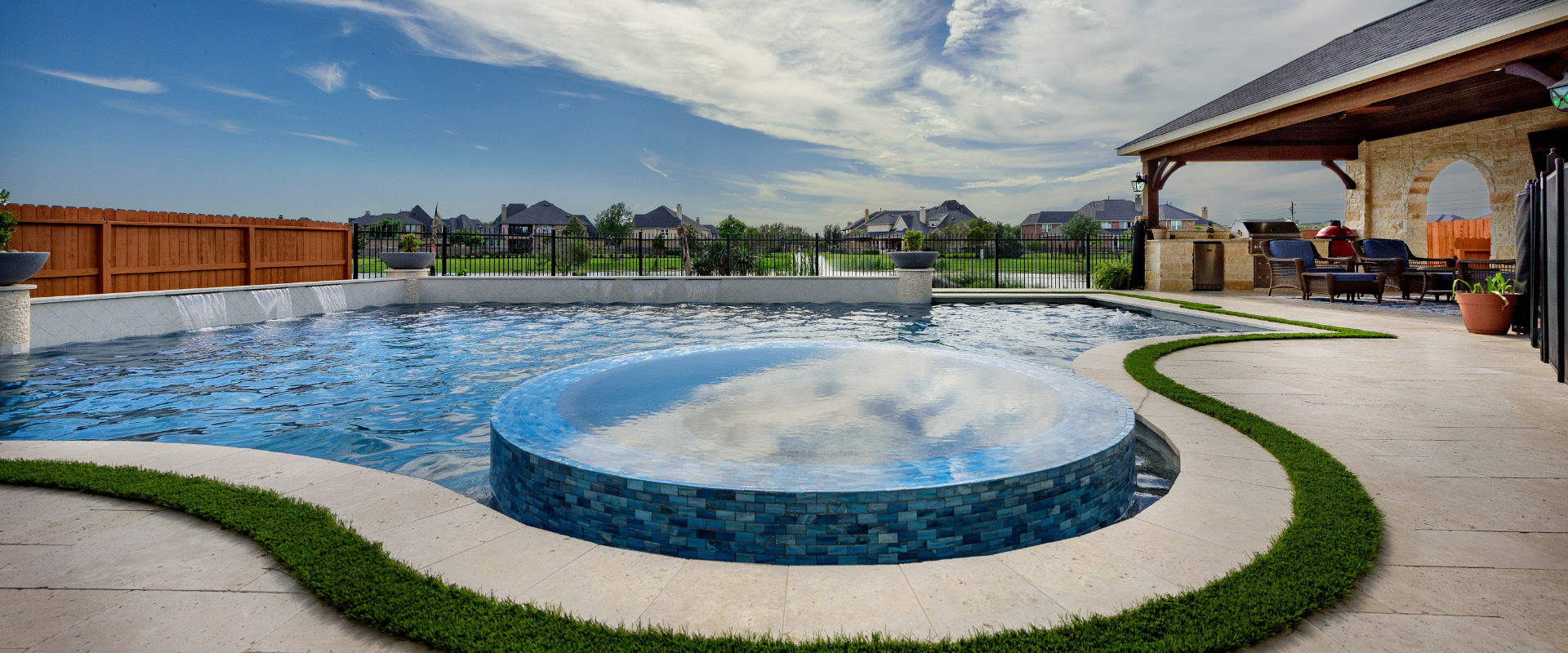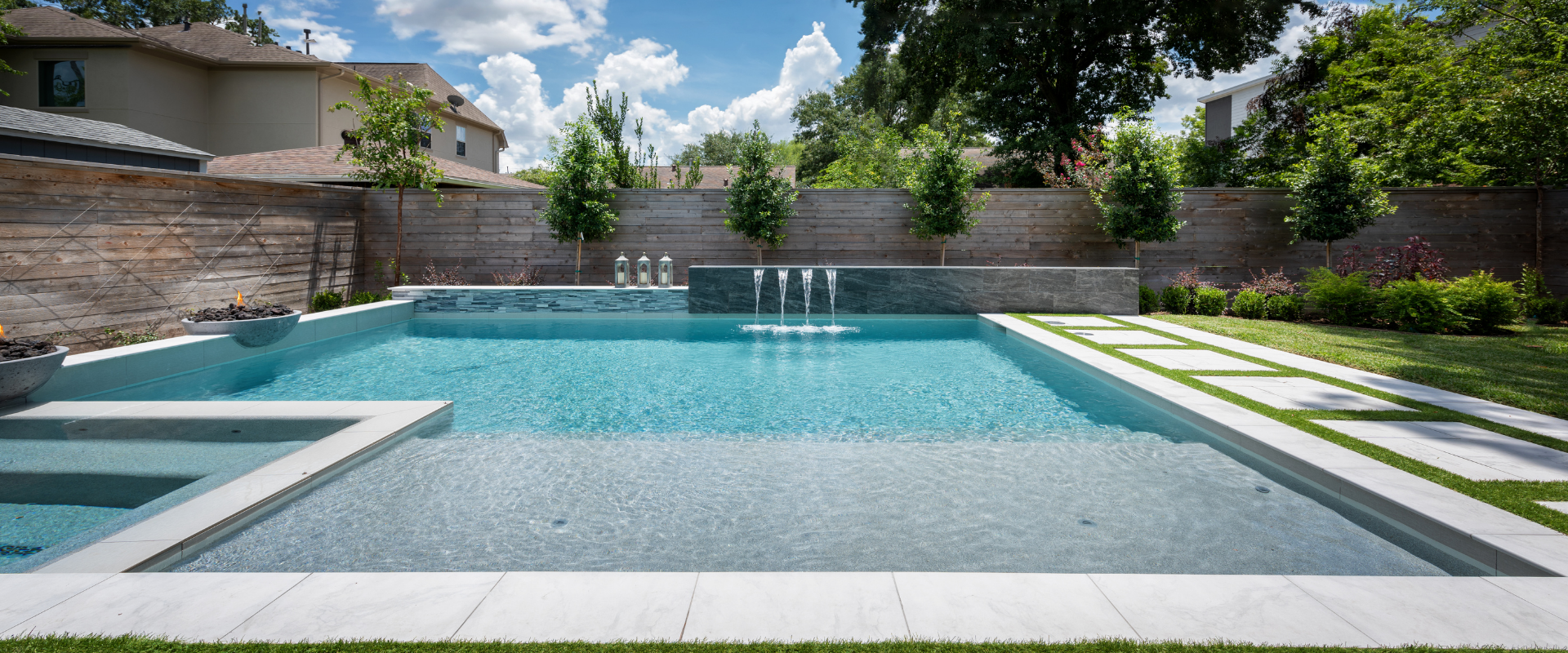
Owning a pool is one of the best ways to enjoy Houston’s warm climate and create lasting memories with family and friends. But keeping that sparkling water clean and safe requires regular attention. Whether you’re a first-time pool owner or have had one for years, these 10 maintenance tips will help you protect your investment and keep your pool ready for a refreshing swim all year long.
From balancing water chemistry to managing equipment, following a consistent maintenance routine extends the life of your pool and prevents costly repairs down the road.
1. Skim and Clean the Surface Regularly
The simplest and most effective way to keep your pool clean is to skim the surface daily. Use a skimmer net to remove leaves, bugs, and other debris before they sink to the bottom and decompose — which can cloud your water and clog your filter.
Make it part of your routine: a quick skim takes 5 minutes and prevents much larger problems later.
2. Maintain Proper Water Chemistry
Balanced water chemistry is essential for a healthy and safe pool. Test your water regularly — at least 2–3 times per week during peak swim season — and adjust as needed.
Ideal ranges:
- pH: 7.2 to 7.8
- Free chlorine: 1 to 3 ppm
- Total alkalinity: 80 to 120 ppm
- Calcium hardness: 200 to 400 ppm
Unbalanced water can cause algae growth, skin irritation, cloudy water, and long-term damage to your pool’s surfaces and equipment.
3. Shock Your Pool Weekly
Shocking your pool with a high dose of chlorine or another oxidizing agent kills bacteria, algae, and other contaminants that regular chlorine can’t handle alone. This is especially important after heavy rain, heavy use, or when the water looks cloudy.
Best practices:
- Shock weekly during peak season.
- Shock after parties or storms.
- Always follow the manufacturer’s instructions.
- Run the pump for at least 8 hours after shocking.
4. Clean or Replace the Filter Regularly
Your pool filter is the heart of your circulation system. A dirty or clogged filter can’t do its job, which leads to cloudy water, poor circulation, and strain on your pump.
Filter maintenance frequency:
- Cartridge filters: Clean every 2–4 weeks, replace every 1–2 years.
- Sand filters: Backwash monthly, replace sand every 3–5 years.
- DE filters: Backwash when pressure rises 8–10 PSI above normal.
5. Brush the Walls and Floor
Brushing the walls and floor of your pool removes algae, biofilm, and mineral buildup that a vacuum can’t always catch. Brush at least once a week to keep surfaces smooth and prevent stains.
It’s a small effort that makes a big difference in water clarity and surface longevity.
6. Run the Pool Pump Daily
Proper circulation is key to clean water. Run your pool pump for at least 8 hours per day during summer and 4–6 hours during cooler months.
Pro tip: Run the pump during the day when the pool is most in use, so filtration is at its peak when contaminants are introduced.
7. Vacuum the Pool Weekly
Vacuuming removes dirt, debris, and algae that settle on the bottom of your pool. Depending on your pool size and usage, vacuum once a week or more.
Options:
- Manual vacuum: Low cost, requires effort.
- Robotic vacuum: Automated, best for frequent cleaning.
- Suction-side vacuum: Uses your existing pump system.
8. Keep the Pool Area Clean
The area around your pool is as important as the water itself. Dirt, grass clippings, and debris near the pool can blow into the water and throw off your chemistry.
- Sweep or hose down the deck regularly.
- Keep plants trimmed back.
- Store pool chemicals and equipment properly.
9. Use a Pool Cover When Not in Use
A pool cover is one of the most underrated maintenance tools. It:
- Prevents debris and leaves from entering the water.
- Reduces evaporation (saves water and chemicals).
- Keeps the water warmer.
- Reduces your cleaning time.
Consider a safety cover or solar cover depending on your needs.
10. Hire a Professional When Needed
Even with a solid maintenance routine, there are tasks that require professional expertise:
- Equipment repairs or replacements.
- Algae blooms that won’t clear.
- Chemical imbalances after heavy rain.
- Seasonal opening and closing.
- Complex water feature or spa maintenance.
A professional pool service can save you time, prevent costly mistakes, and keep your pool in top condition.
Conclusion
Maintaining your pool doesn’t have to be overwhelming. With a consistent routine — skimming, testing water, cleaning filters, and using a pool cover — you can keep your pool sparkling clean and ready for a refreshing swim whenever you want.
For Houston-area homeowners looking to build a custom pool designed for easy maintenance, explore our custom gunite pool options → or schedule a complimentary design consultation →.